
Sarpasana is translated as Snake Pose, but sources use the name for different prone shapes. Confirm the intended version before following detailed cues; keep any prone chest lift low, neck neutral, and breathing unrestricted.
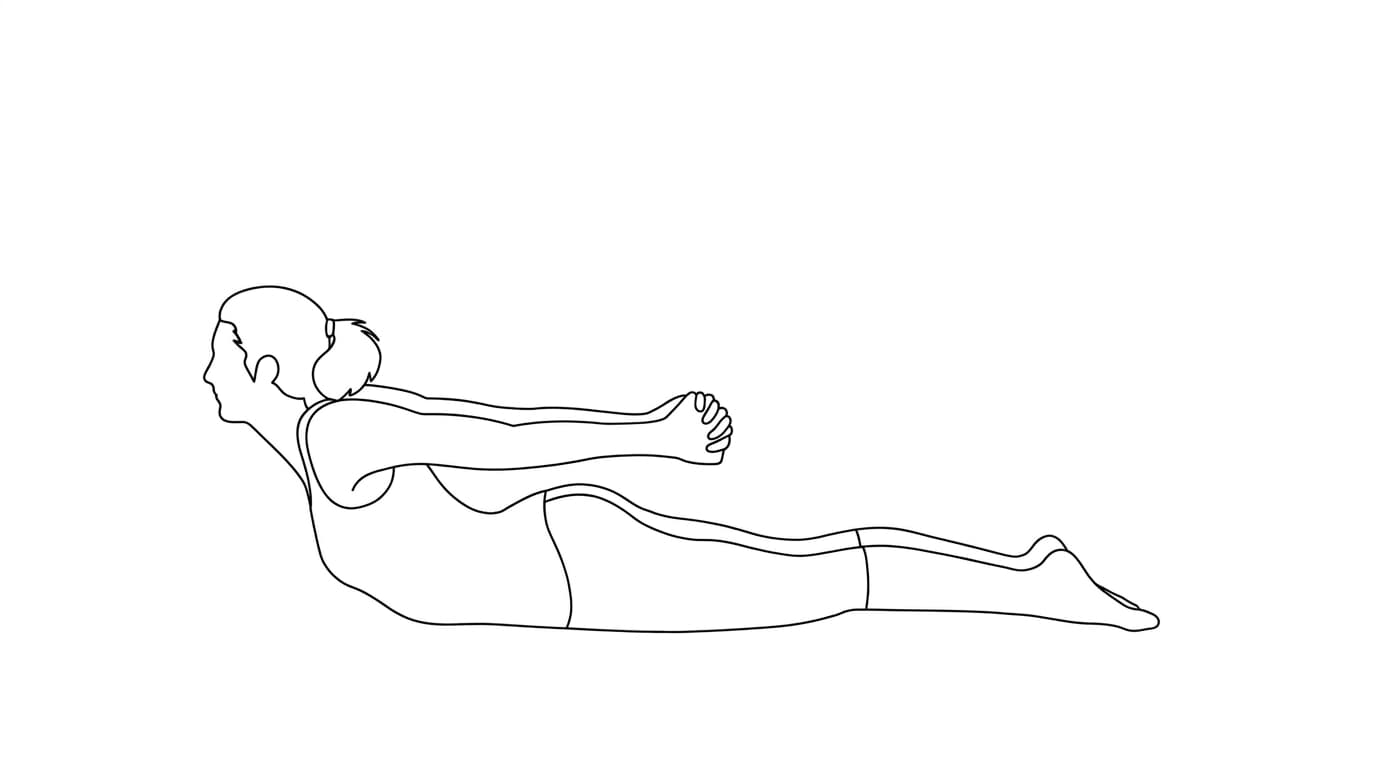
What does Snake Pose refer to?
Sarpasana is a name associated with snake imagery, but the precise modern posture is not consistent across sources. The catalog name alone does not support one definitive technique.
How should the variation be identified?
Use the source teacher or an approved pose reference to confirm the intended setup before publishing detailed instructions. If exploring a prone back-body movement, keep it low and comfortable.
- Rest the pelvis and legs on the floor.
- Keep the neck long rather than lifting the chin sharply.
- Do not hold the breath or force a high chest lift.
- Lower down immediately if the back or neck feels strained.
What is a clearer alternative?
Use the site's Cobra Pose or Locust Pose guides for their specifically named low-range variations, while still adapting to comfort.
Common question: Is every Snake Pose the same?
No. This pose name needs source verification before a specific technique can be assigned.
References and further reading
These references provide general context. They do not validate every cue on this page or replace instruction from a qualified teacher.
- Yoga: Effectiveness and Safety National Center for Complementary and Integrative Health (NCCIH). General context on yoga safety; not pose-specific instruction.