
Karandavasana, sometimes called Himalayan Duck, is an advanced forearm inversion with a complex leg transition. It should not be self-taught; use qualified supervision, a clear space, and never place uncontrolled load on the neck.
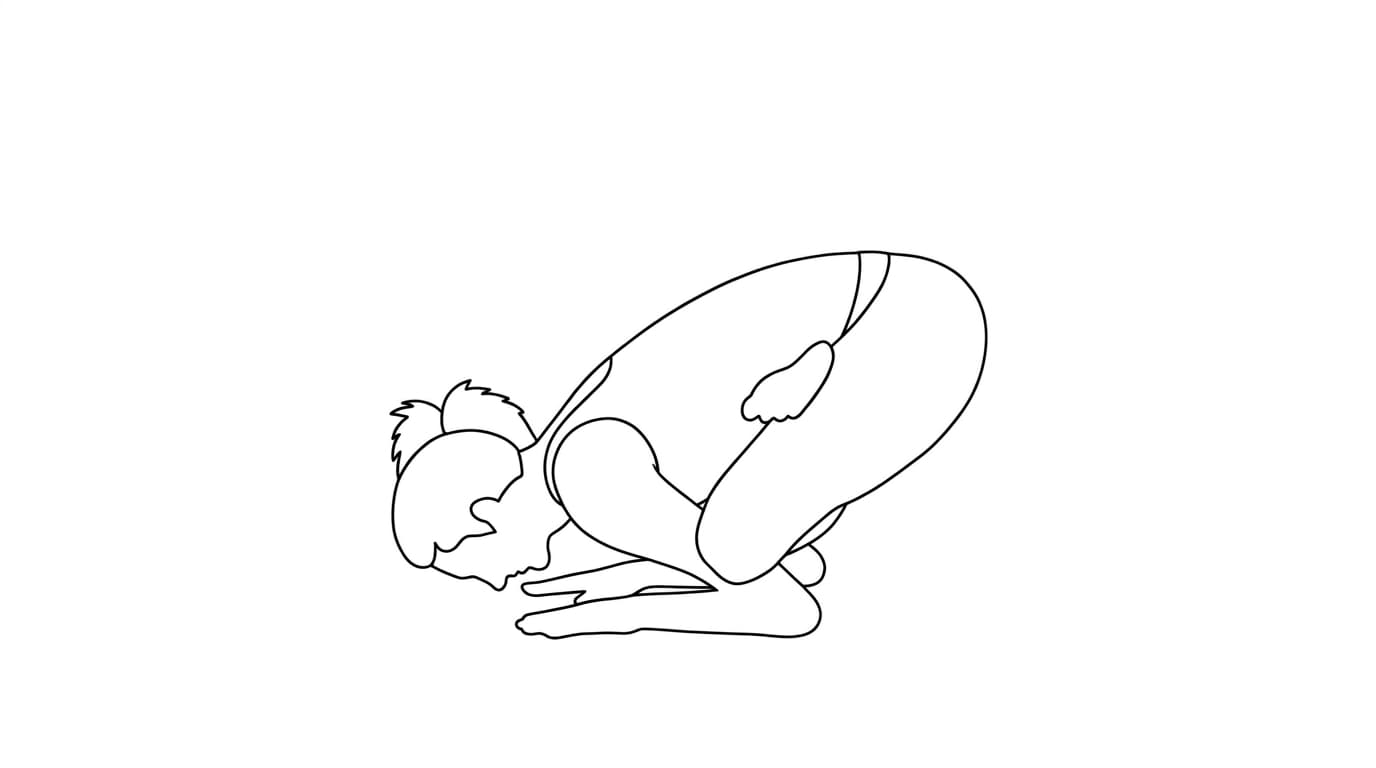
梵文名称Karandavasana
练习类型Inverted forearm balance
建议级别高级
在舒适的范围内练习本指南仅供一般教育参考,不构成针对个人的医疗建议。如果感到剧烈疼痛、麻木、头晕或呼吸困难,请立即停止。
What is Himalayan Duck?
Karandavasana is an advanced inversion sometimes taught as a forearm balance combined with a leg-position transition. The exact method and exit require experienced, direct instruction.
How should this posture be approached?
This page does not describe the transition. Do not attempt it without a qualified teacher and appropriate spotting.
- Do not kick up or lower the legs without a controlled plan.
- Keep the head and neck free of weight-bearing pressure.
- Stop for shoulder, neck, or back pain, dizziness, or visual symptoms.
- Do not practice alone or near hard surfaces.
What is a lower-demand alternative?
Use a grounded forearm-supported posture with the knees down, without lifting into an inversion.
Common question: Is this an appropriate inversion to learn from a web page?
No. It requires qualified live instruction and controlled supervision.
参考文献与扩展阅读
这些参考文献提供一般背景信息。它们并不验证本页中的每一项要领,也不能替代合格教师的指导。
- Yoga: Effectiveness and Safety National Center for Complementary and Integrative Health (NCCIH). General context on yoga safety; not pose-specific instruction or endorsement.