
Karandavasana, sometimes called Himalayan Duck, is an advanced forearm inversion with a complex leg transition. It should not be self-taught; use qualified supervision, a clear space, and never place uncontrolled load on the neck.
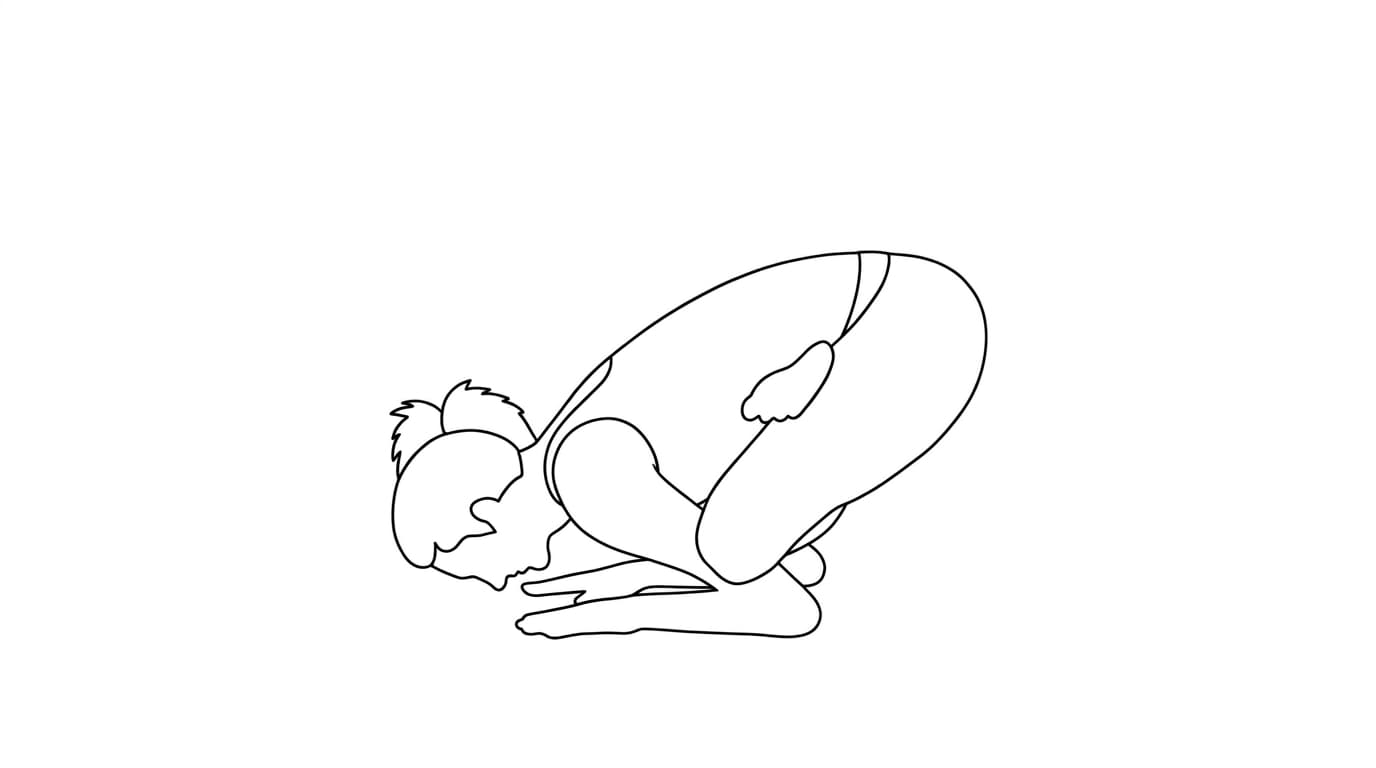
What is Himalayan Duck?
Karandavasana is an advanced inversion sometimes taught as a forearm balance combined with a leg-position transition. The exact method and exit require experienced, direct instruction.
How should this posture be approached?
This page does not describe the transition. Do not attempt it without a qualified teacher and appropriate spotting.
- Do not kick up or lower the legs without a controlled plan.
- Keep the head and neck free of weight-bearing pressure.
- Stop for shoulder, neck, or back pain, dizziness, or visual symptoms.
- Do not practice alone or near hard surfaces.
What is a lower-demand alternative?
Use a grounded forearm-supported posture with the knees down, without lifting into an inversion.
Common question: Is this an appropriate inversion to learn from a web page?
No. It requires qualified live instruction and controlled supervision.
References and further reading
These references provide general context. They do not validate every cue on this page or replace instruction from a qualified teacher.
- Yoga: Effectiveness and Safety National Center for Complementary and Integrative Health (NCCIH). General context on yoga safety; not pose-specific instruction or endorsement.